Infill: A Key Element in Synthetic Turf Performance
Infill plays a crucial role in the resilience of synthetic turf. It helps fibers stay upright and evenly distributed, preventing them from collapsing or leaning irregularly. This stability ensures a uniform playing surface, which is essential for both performance and player safety.
Additionally, infill provides effective shock absorption, significantly reducing the risk of injury by cushioning impacts.
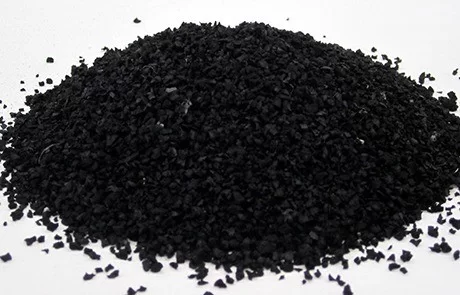
SBR
SBR, made from recycled tires, is one of the most widely used infill solutions for synthetic sports fields due to its excellent performance, durability, and affordability.
It ensures a smooth, consistent, and shock-absorbing playing experience, while being highly cost-effective for municipalities and sports clubs.
Key benefits:
100% recycled material
Odorless, rot-proof, and fire-resistant
UV-resistant
Low density (less material needed per surface)
Excellent shock absorption
Comfortable feel underfoot
Main drawback
Although made from recycled materials, SBR tends to retain more heat than organic infills such as cork, olive, or corn, which may impact player comfort in hot weather.
Nevertheless, SBR remains one of the most commonly used infills, offering an outstanding balance of performance, reliability, and cost-efficiency.
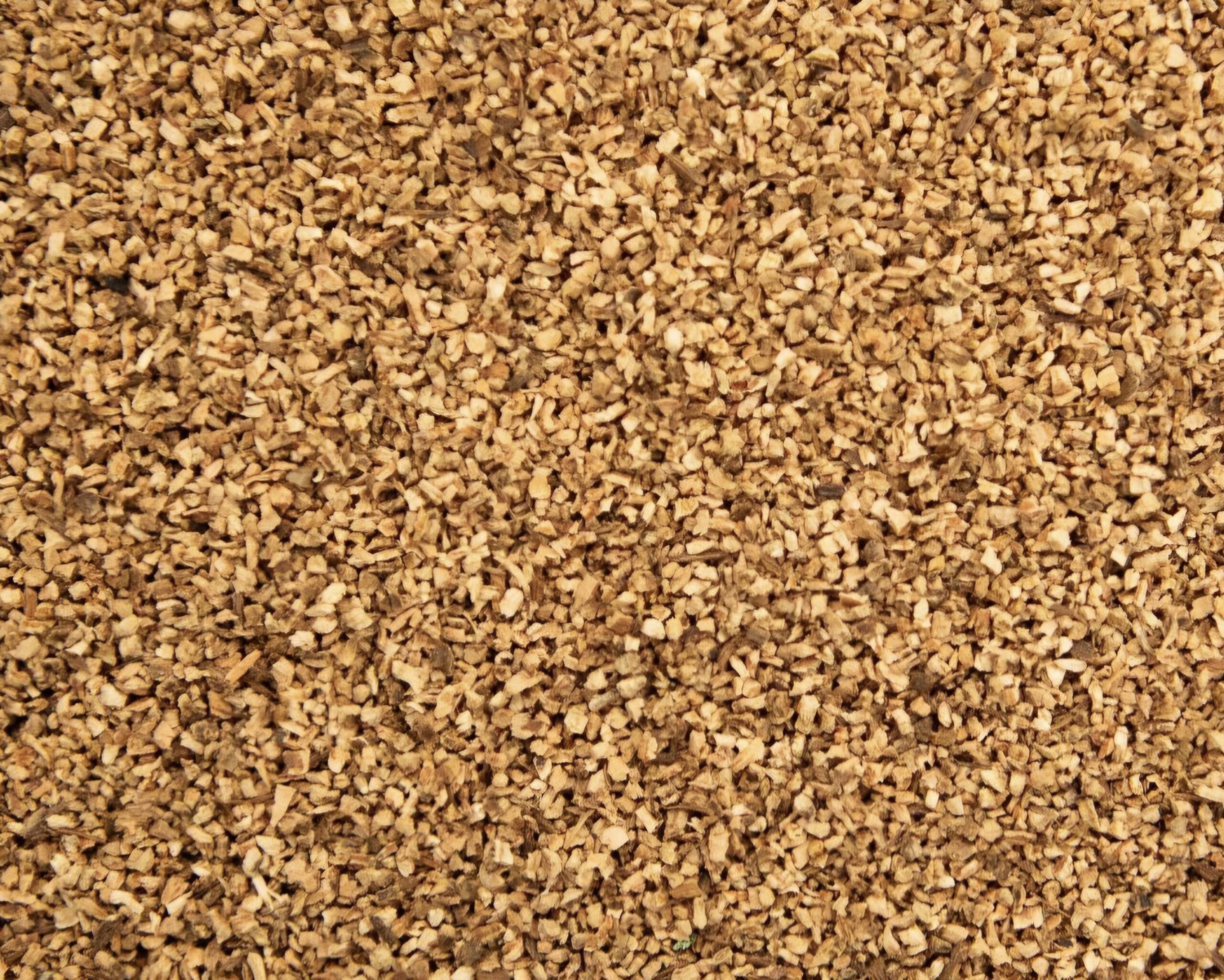
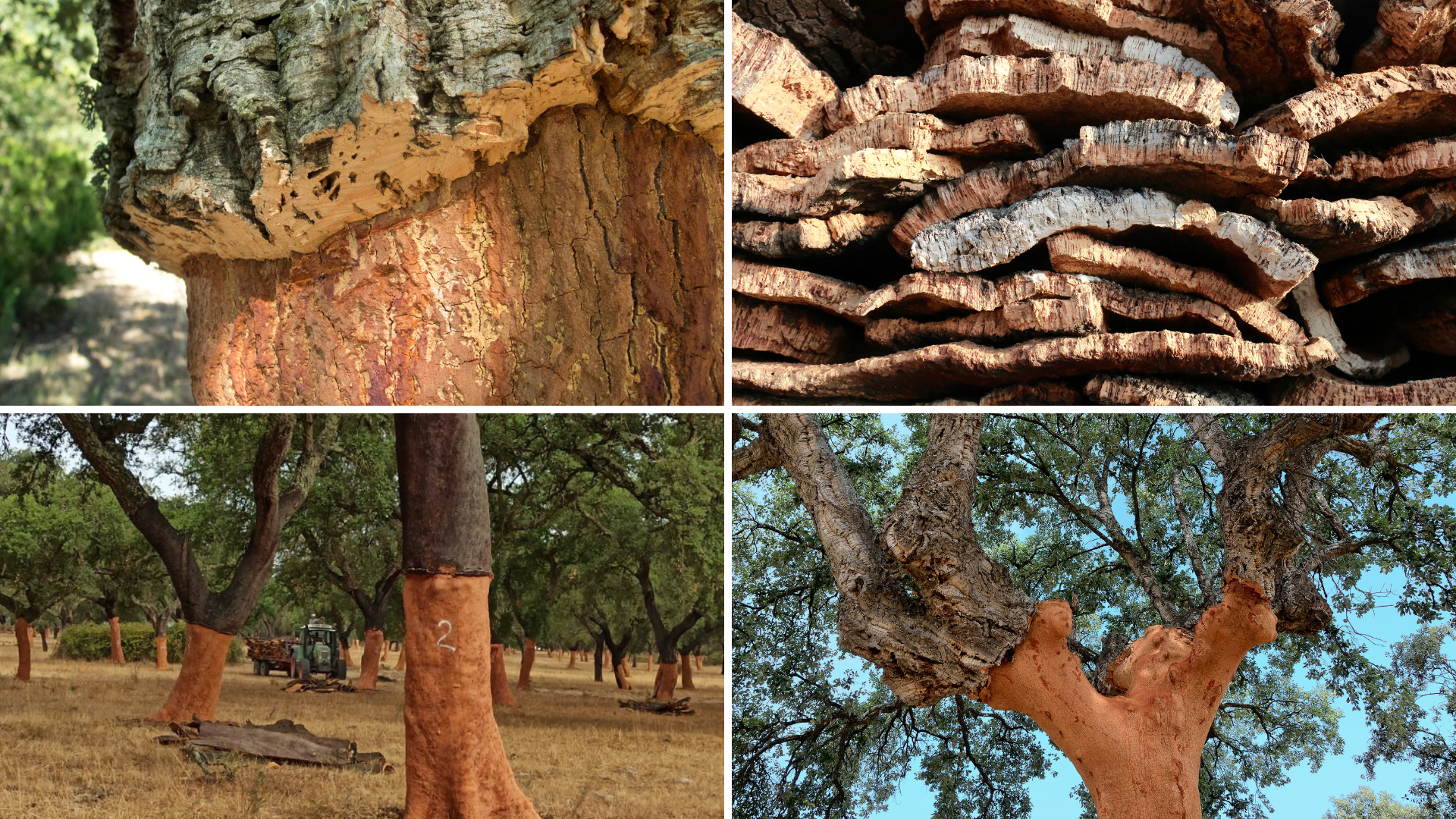
Cork
Harvested from cork oak bark, this natural material stands out for its flexibility and excellent sports properties, providing a playing sensation close to natural grass.
Key benefits:
100% natural, durable, and recyclable
Odorless, rot-proof, and fire-resistant
UV-resistant with excellent heat reduction due to low thermal conductivity
Low density, reducing overall material usage
Clean, natural appearance for an aesthetically pleasing finis
Points to consider
Higher cost than conventional infills | Some material volatility (can shift slightly over time) | Temporary static electricity may occur during installation.
Olive
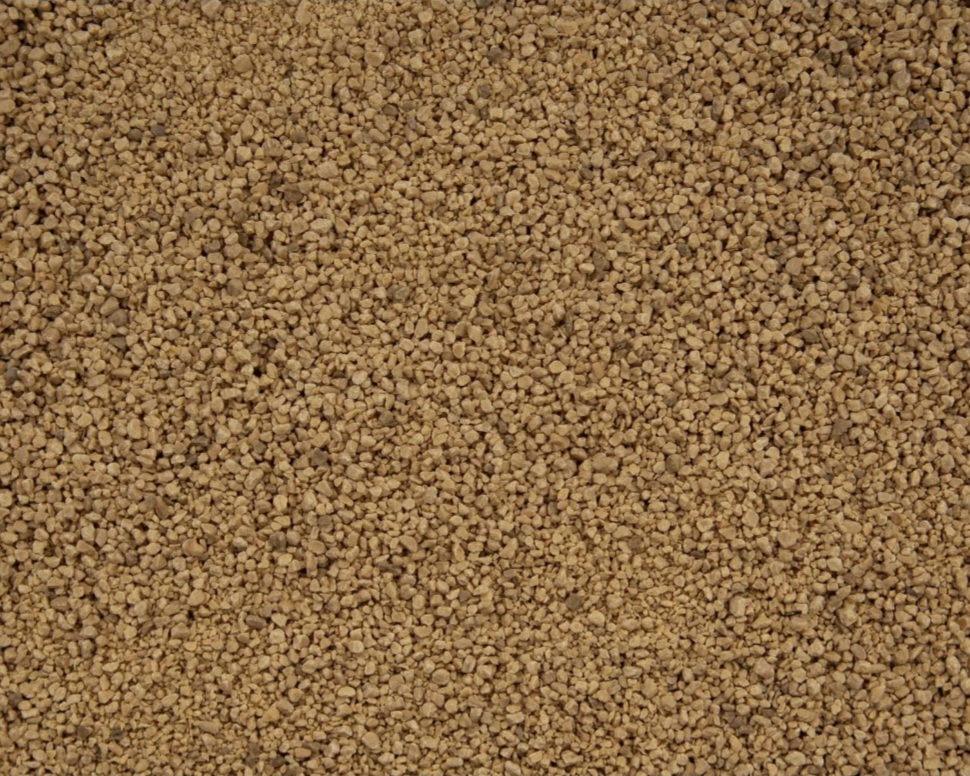
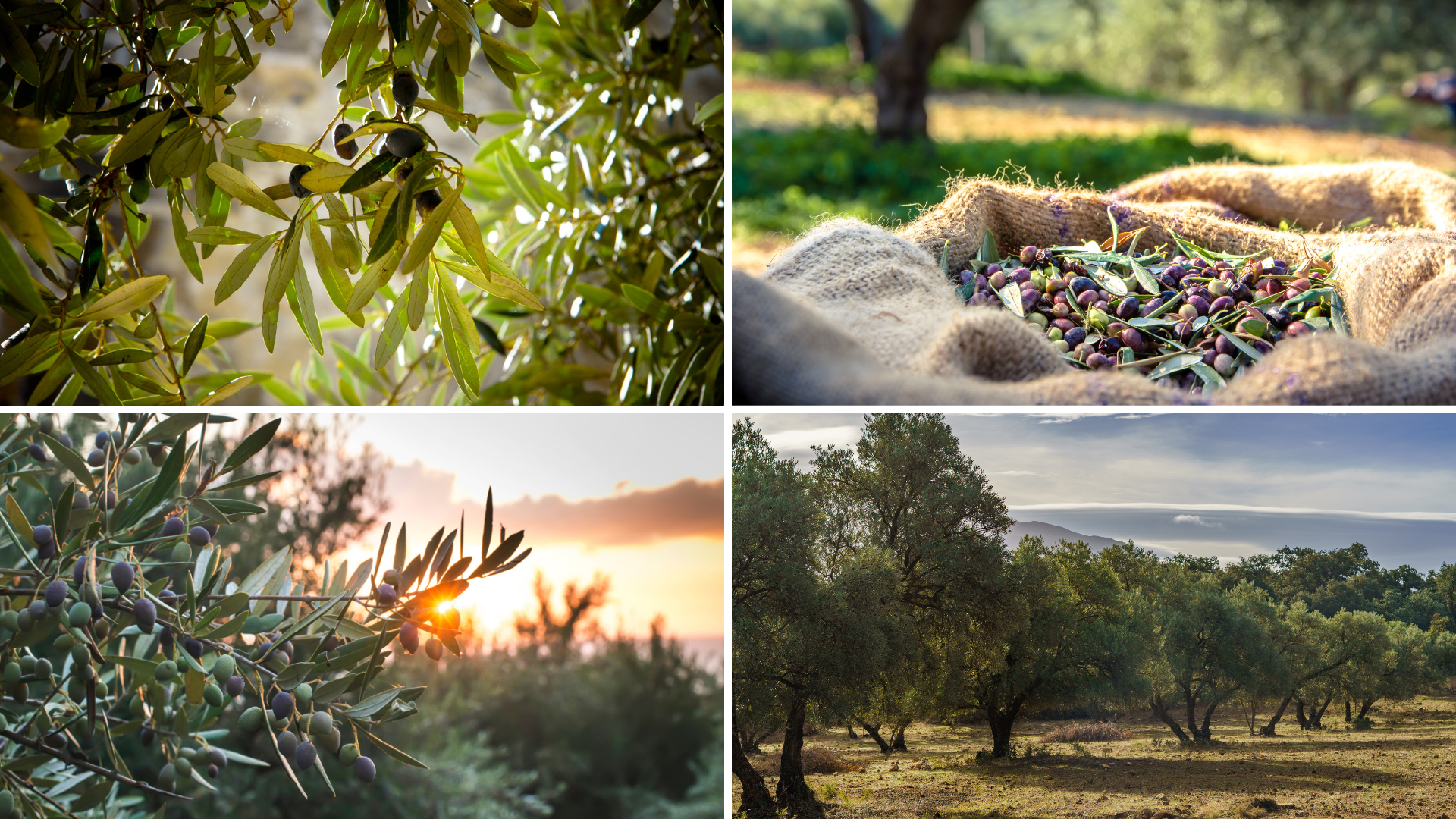
Crushed olive pits are a sustainable and effective infill solution.
Key benefits:
Significant heat reduction
Low maintenance due to very limited material migration
No flotation, ensuring greater stability within the field structure
Points to consider
As a harder material, it may be abrasive on skin in case of direct.
Corn
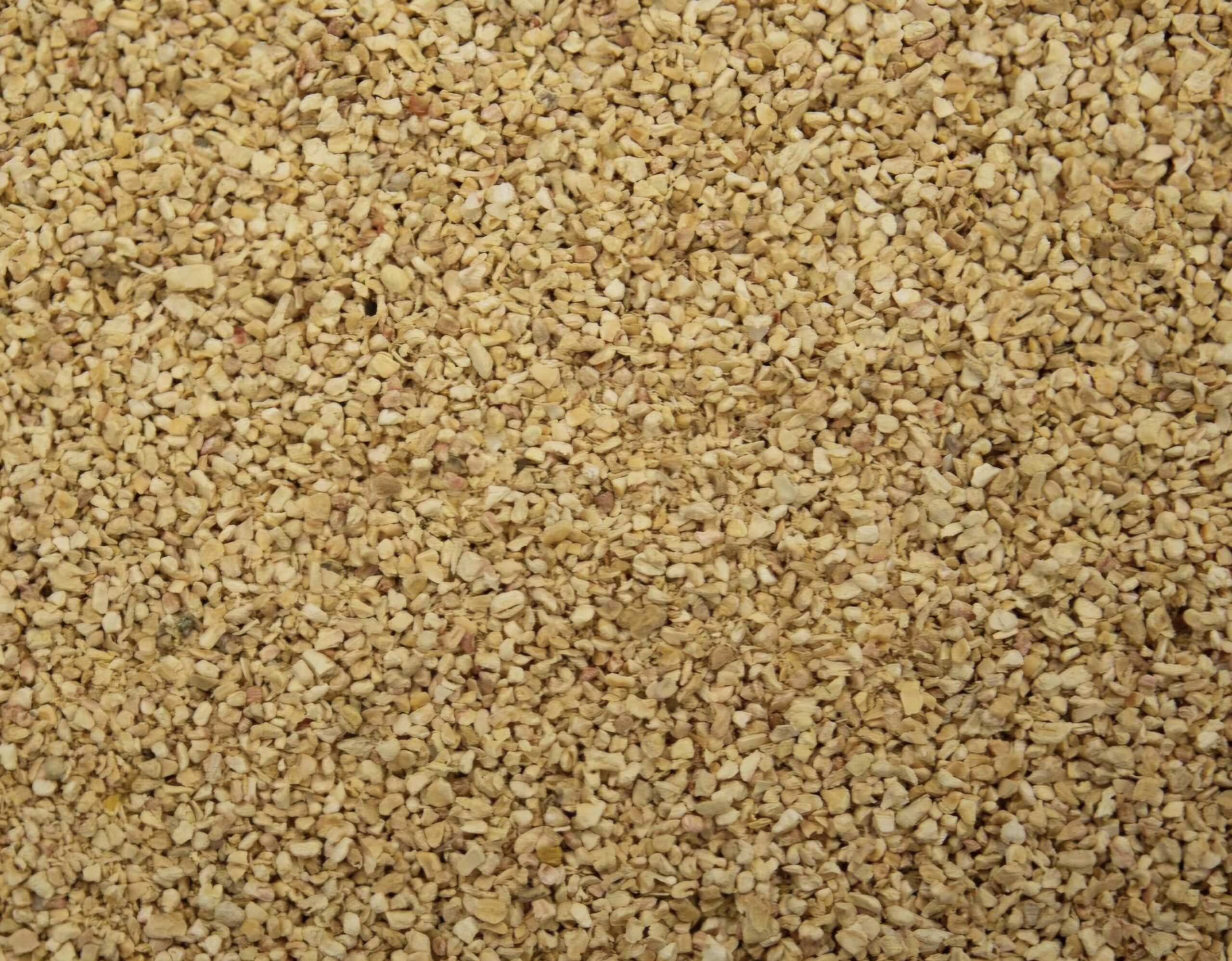
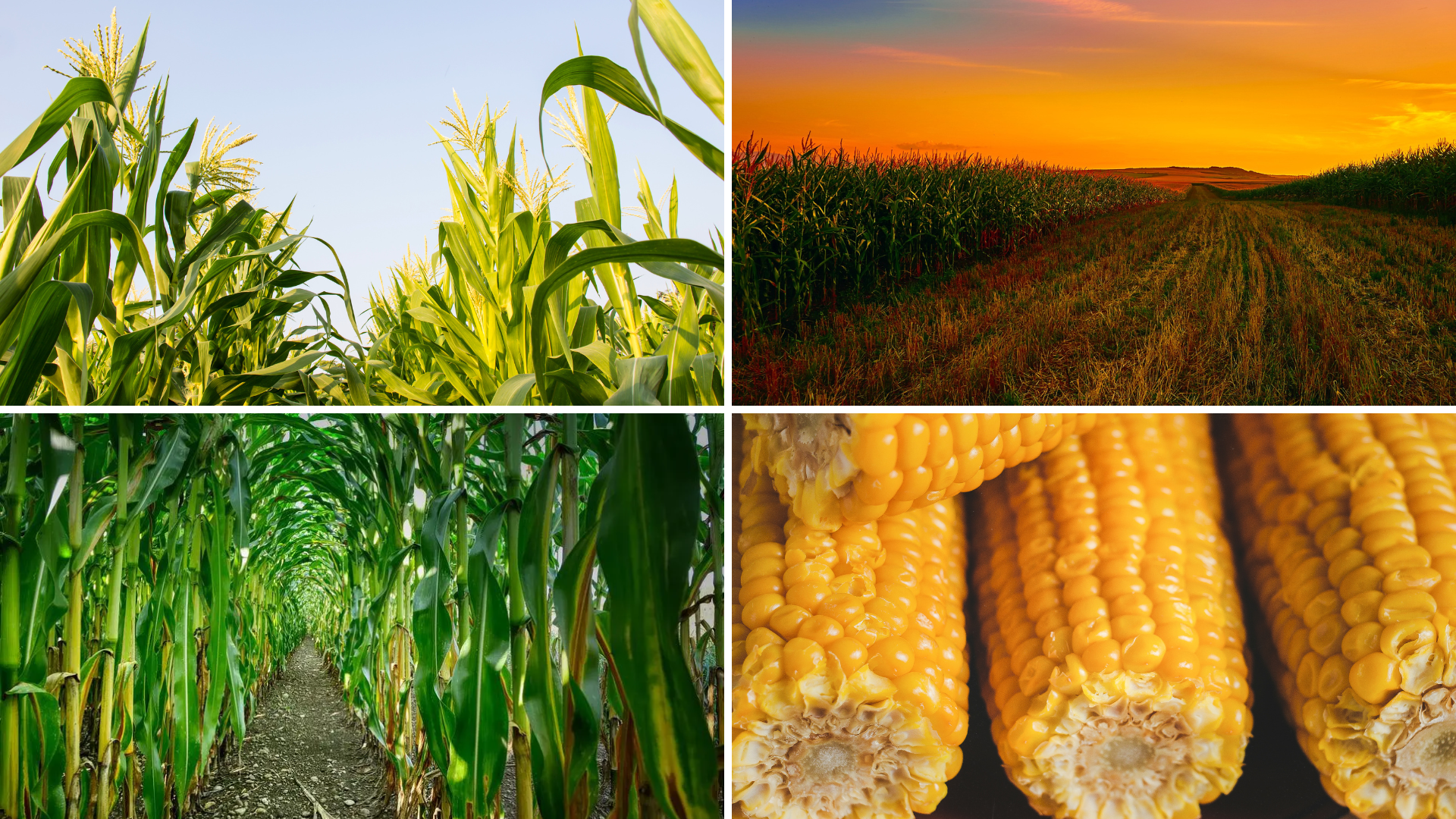
Derived from the non-edible core of the corn cob, this infill is 100% natural and eco-friendly. Key benefits:
UV-resistant
Water-repellent
Non-floating
Hypoallergenic
Fully recyclable
Points to consider
This infill offers a sustainable, durable, and health-conscious alternative, meeting the performance needs of next-generation synthetic fields.